
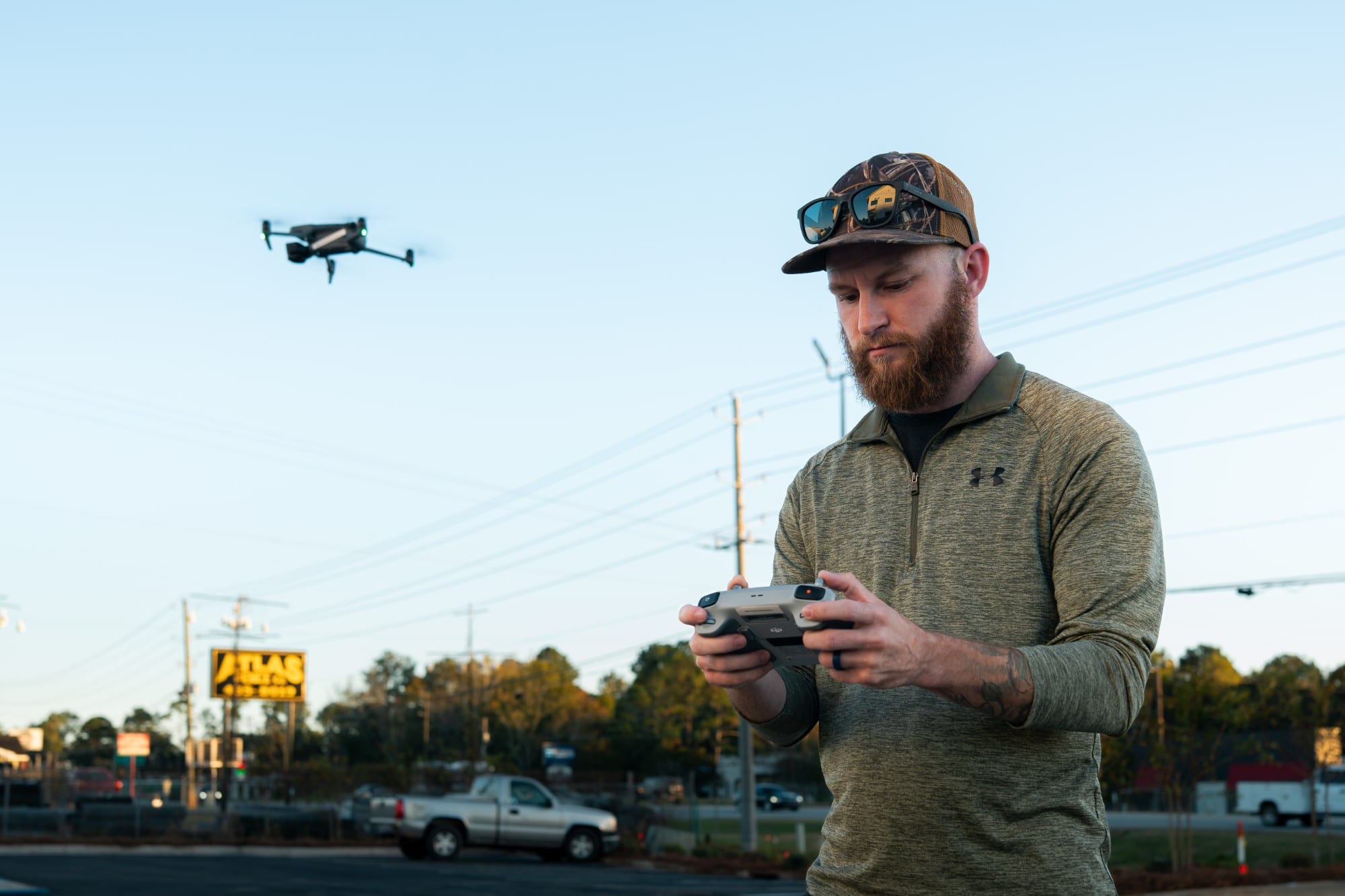
During the 2026 FIFA World Cup, FBI Atlanta reported that 95 drones were seized around Atlanta's eight matches. The FBI said most weren't flown with bad intent. The pilots simply didn't know about the flight restrictions. If you're hiring someone to fly over your property or project, that story is worth knowing.
What Happened In Atlanta
The FAA put a temporary flight restriction, or TFR, in place for the World Cup. A TFR is a no-fly area the FAA creates for a set period, usually around major events, emergencies, or security operations. Flying a drone inside one without authorization is not a gray area.
According to Atlanta News First's July 21 coverage of the FBI's update, 95 drones were seized during Atlanta's eight World Cup matches. FBI officials said most were not flown for anything nefarious and that the seizures happened because people were unfamiliar with the TFR. At the time of that report, the FBI was working with the U.S. Attorney's Office for the Northern District of Georgia to decide whether to pursue charges or fines. Because a federal agency issues the TFR, any charges would be federal.
It wasn't just Atlanta. The Athletic reported that more than 700 illegal drones were seized across the tournament, according to the FBI.
The lesson isn't that those pilots were bad people. It's that a flight that is perfectly legal on a Tuesday can be illegal on a Saturday, and the only way to know is to check.
What A Part 107 Certificate Actually Means
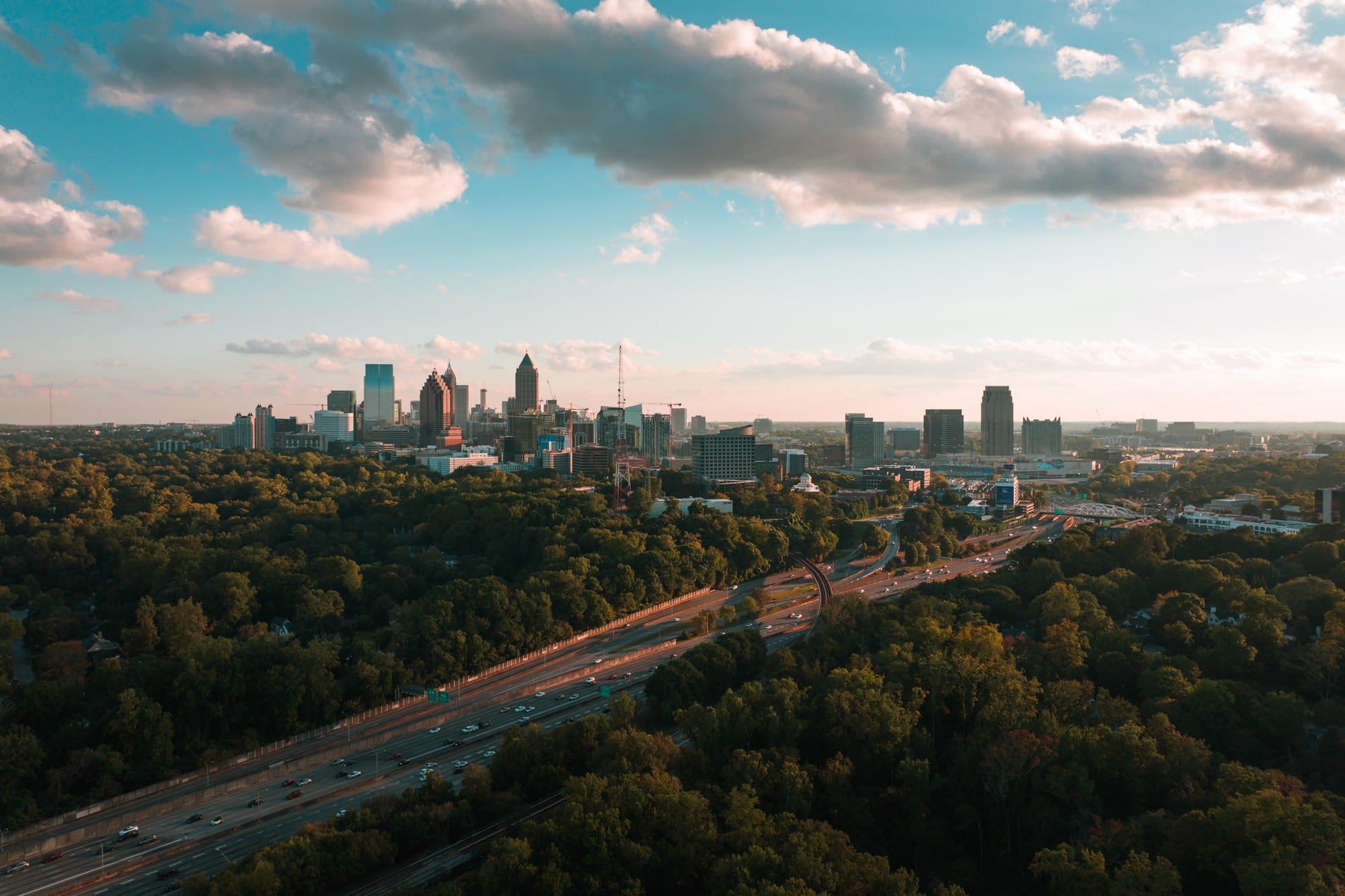
In the United States, anyone flying a drone for business needs an FAA Part 107 remote pilot certificate. To earn it, a pilot has to pass an FAA knowledge test covering airspace, weather, and operating rules, and has to complete FAA recurrent training every 24 months to keep that knowledge current. I'm Part 107 certified.
A certificate doesn't make a pilot perfect. What it does mean is that the pilot has been trained to know what to check, and is accountable to the FAA for checking it. That's exactly the gap the World Cup seizures exposed.
Why The Airspace Check Matters
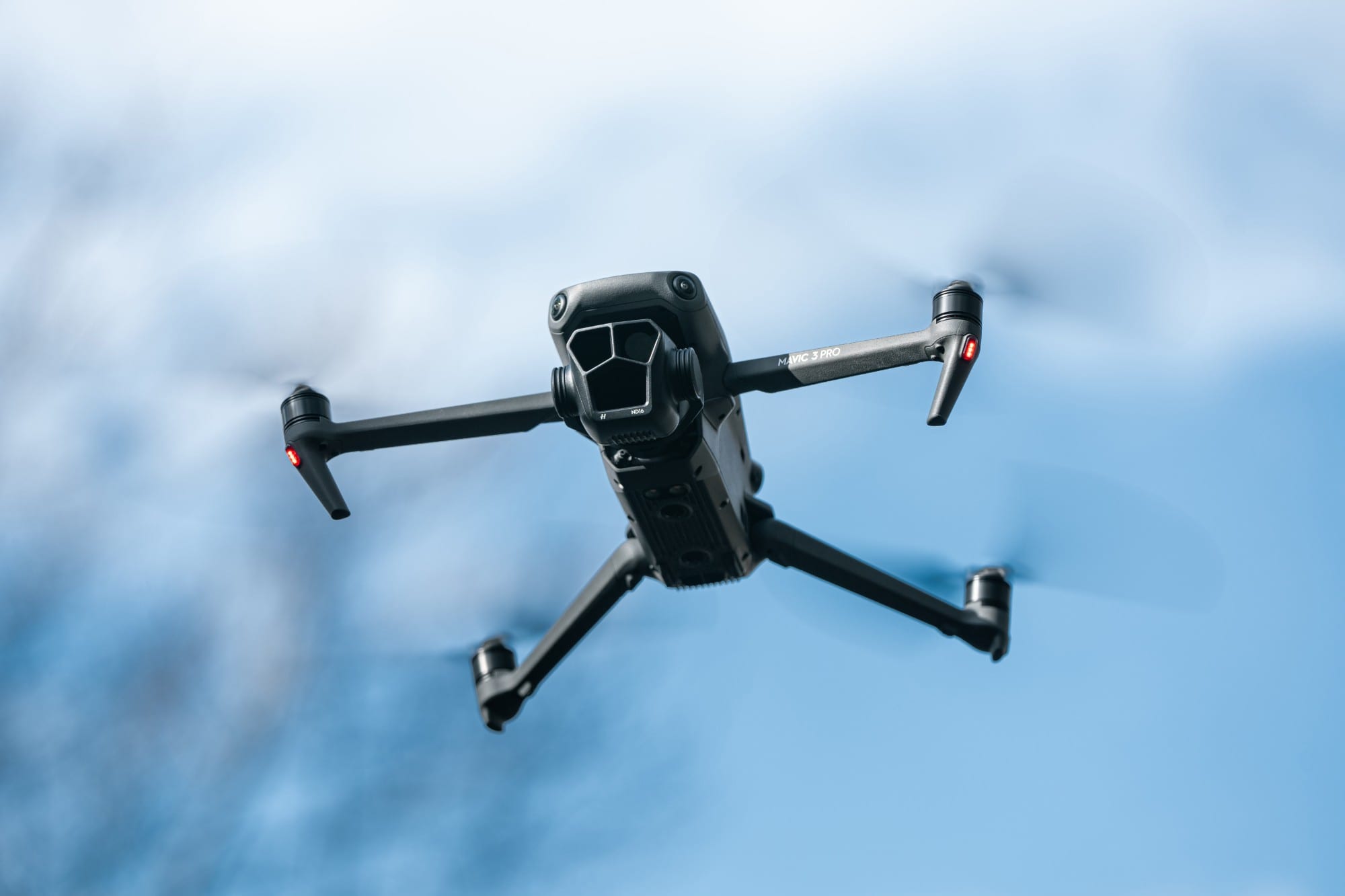
Airspace isn't fixed. It changes with the day, the location, and what's happening nearby. Before a shoot, a qualified pilot checks:
- Controlled airspace. Areas near airports and military facilities require FAA authorization before a drone can fly, which pilots can often request digitally ahead of time.
- Active TFRs and NOTAMs. These cover large events, VIP movements, emergencies, and security operations, and they can appear on short notice.
- Stadium and event restrictions. The FAA restricts drones around many large stadiums during major events, which matters in a city like Atlanta.
- Weather and site conditions. Wind, visibility, nearby people, roads, and power lines all affect whether a flight is safe.
- Property permission. The flight area needs the owner's go-ahead, and sometimes a neighbor's awareness.
A TFR can be announced days or even hours before it takes effect, so this check has to happen for every flight, not once per year.
What's At Stake For You As The Client
It's easy to think of airspace rules as the pilot's problem. But your project is tied to that flight. Hiring a pilot who skips the check can mean:
- A shoot that gets shut down or cancelled on the day
- Seized equipment, and the footage on it, as happened in Atlanta
- Fines or even federal charges for the pilot
- Insurance and liability complications
- Your brand or property connected to a violation
Questions To Ask Before You Hire A Drone Pilot
- Are you FAA Part 107 certified? Ask to see the certificate.
- How do you check airspace and TFRs before each flight? A good pilot answers this easily and specifically.
- Do you carry liability insurance?
- Is your aircraft registered and compliant with FAA Remote ID rules?
- What happens if airspace or weather prevents the flight? You want a plan to reschedule, not a pilot who flies anyway.
- Can I see examples of work like mine?
How I Handle It
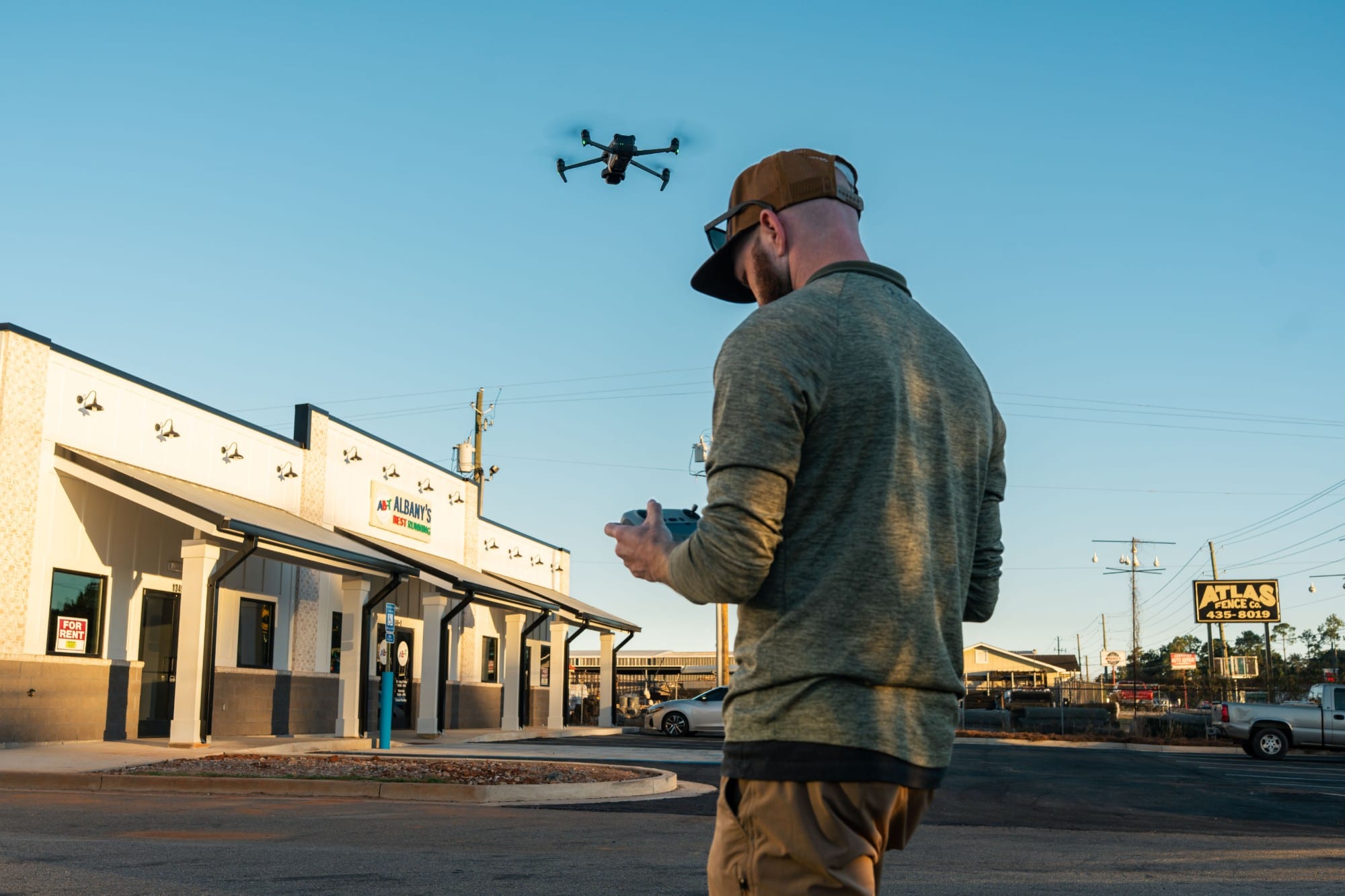
I'm Part 107 certified and I check the airspace, active restrictions, and conditions before I fly. If a location can't be flown safely or legally, I'll tell you up front and we'll find another option or another date. I'm based in Albany, GA, and I work throughout Georgia, including Atlanta, where airspace is some of the busiest and most restricted in the state.
If you have a property or project that would benefit from an aerial perspective, get in touch. You can also see recent aerial and ground work in the photo gallery.
Sources: Atlanta News First, FBI update on drones seized during World Cup security (July 21, 2026); The Athletic, more than 700 illegal drones seized during the World Cup, says FBI (July 19, 2026).